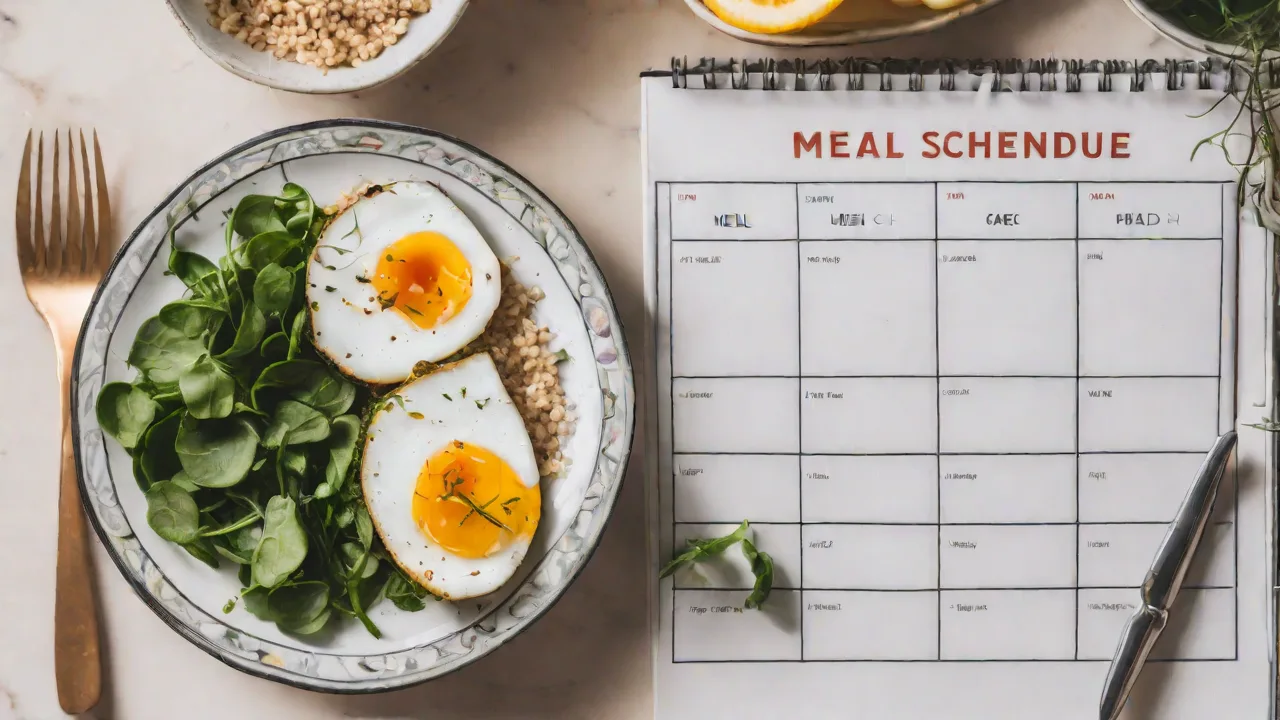
How to Create a Meal Schedule That Supports Eating Disorder Recovery
Creating a meal schedule that supports eating disorder recovery is a vital step toward establishing a healthy relationship with food. A well-structured plan can help stabilize moods, restore nutritional balance, and build confidence in eating habits. This article provides guidance on how to develop an effective meal schedule tailored to individual needs.
Understanding the Importance of a Meal Schedule
A consistent meal schedule helps regulate blood sugar levels, reduces anxiety around eating, and promotes physical and emotional healing. It also encourages the development of routine, which can be comforting during recovery.
Steps to Create an Effective Meal Schedule
- Consult a healthcare professional: Work with a dietitian or therapist to tailor a plan suited to your needs.
- Establish regular meal times: Aim for three balanced meals and one or two snacks daily, spaced evenly.
- Include a variety of nutrients: Ensure each meal contains proteins, healthy fats, carbohydrates, and micronutrients.
- Plan for flexibility: Allow some flexibility to accommodate social events or unexpected changes, reducing stress.
- Monitor progress: Keep a journal to track how you feel physically and emotionally with the schedule.
Tips for Maintaining Your Meal Schedule
Sticking to a meal schedule can be challenging at first. Here are some tips to help maintain consistency:
- Prepare meals in advance: Batch cooking can reduce stress and ensure availability of nutritious options.
- Set reminders: Use alarms or apps to prompt mealtimes and snacks.
- Practice self-compassion: Be gentle with yourself if deviations occur; recovery is a journey.
- Seek support: Share your schedule with trusted friends, family, or support groups for encouragement.
Conclusion
Creating a meal schedule that supports eating disorder recovery involves careful planning, flexibility, and ongoing support. Remember to collaborate with healthcare professionals and listen to your body's needs as you work toward a healthier relationship with food.